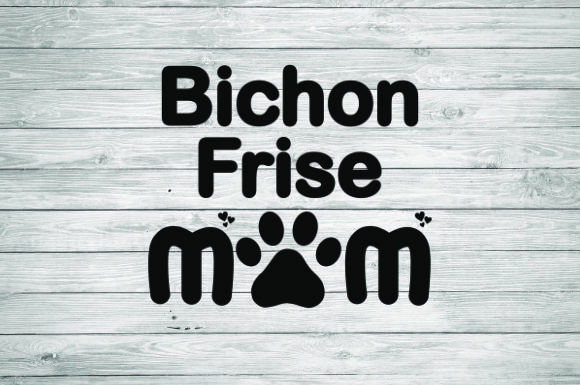
Bichon Frise Mom
As a designer who’s spent years working with machine embroidery designs, I always start by looking at the mood and structure of a new file. Bichon Frise Mom immediately caught my eye for its soft, approachable feel and clear visual identity. The design centers on a fluffy, smiling Bichon Frise dog, which feels perfect for a range of handmade and commercial projects. It’s not overly complex, but it has enough detail to make a statement without overwhelming the fabric or the stitch count.
First Impressions: A Design That Feels Right at Home
The Bichon Frise Mom design is clean and well-structured. The layout is balanced, with the dog centered in a way that makes it easy to place on various items. The lines are crisp, and the use of negative space helps keep the design from feeling too busy. This makes it ideal for custom apparel, baby clothes, or even small patches where clarity is key.
The theme is warm and friendly, which aligns perfectly with products like tote bags, sweatshirts, or holiday gifts. It’s the kind of design that feels right for a personalized gift or a boutique product that speaks to pet lovers. The overall aesthetic is modern yet nostalgic, making it versatile for different styles and audiences.
Real-World Use: Where Bichon Frise Mom Shines
I tested Bichon Frise Mom on a few different fabrics to see how it would perform in real projects. On a cotton t-shirt, it looked great—clean and clear with minimal distortion. The stitch density was just right, and the design didn’t require excessive stabilizer. For a custom tote bag, it worked well as a main design element, especially when paired with a simple text block.
On baby clothes, the design felt gentle and appropriate. The lines weren’t too sharp, and the overall look was soft, which is important for items that will be handled frequently. For embroidered patches, it held up well, though I’d recommend using a bit more stabilizer to prevent puckering on thinner materials.
It also works well as an applique design, especially if you want to add texture or dimension. The shape allows for easy placement on curved surfaces like caps or hats, though I’d suggest testing it first on a similar item before committing to a full batch.
Where to Be Careful: Limitations and Considerations
While Bichon Frise Mom is a solid design, there are some situations where it might not perform as well. On very small hoop sizes, the details could get lost, so it’s best to avoid using it on items that require tight stitching areas. If you’re planning to embroider it on dark fabric, you’ll need to adjust thread colors accordingly to ensure visibility.
For stretchy or textured fabrics, the design may not sit as smoothly. I noticed some slight distortion on a knitted sweatshirt, so I’d recommend doing a test run first. Thin or lightweight fabrics might also cause the design to look a bit flat, so using a proper stabilizer is essential.
When it comes to detailed corners or tiny lettering, this design doesn’t have those elements, so it’s not a concern here. However, if you plan to use it in a layered garment or on a curved surface, extra care is needed to maintain the integrity of the stitches.
Impact on Visual Appeal and Customer Perception
One of the things I appreciate most about Bichon Frise Mom is how it elevates the finished product. Whether it’s on a tote bag, a baby onesie, or a holiday ornament, it adds a personal touch that customers love. The design feels handmade and thoughtful, which is exactly what many buyers are looking for in a custom or artisanal product.
From a business perspective, this design can help build brand consistency. If you’re an Etsy seller or a small shop owner, having a recognizable, high-quality design like this can set your products apart. It also enhances the perceived value of your work, making it easier to justify a premium price point.
Customer trust is another factor. When people see a clean, professional-looking embroidery design, they’re more likely to believe in the quality of the product. Bichon Frise Mom contributes to that sense of professionalism, whether it’s used in a craft fair booth or an online store.
Practical Tips for Embroidery Designers
Before jumping into a large project, I always recommend testing the Bichon Frise Mom design on scrap fabric. This helps you understand how it looks in different conditions and whether any adjustments are needed. Checking thread color contrast is also important—especially if you’re planning to use it on dark or light backgrounds.
Reviewing the stitch density is another key step. If the design is too dense, it might cause the fabric to pucker or the stitches to look uneven. Confirming the correct hoop size ensures that the design fits comfortably and maintains its shape during the embroidery process.
Inspecting small details like corners or edges can make a big difference in the final outcome. Testing the design in black and white mockups helps you see how it will look without color distractions. Comparing it on both light and dark fabric backgrounds gives you a better idea of its versatility.
Using the right stabilizer is crucial, especially for delicate or stretchy fabrics. Making sure the design works for both personal and commercial projects is also important—especially if you're selling finished items or digital products. Always confirm the licensing terms before using it in a paid context.
Final Thoughts: A Reliable Choice for Creative Entrepreneurs
Bichon Frise Mom is a design that balances simplicity with charm. It’s suitable for a wide range of embroidery projects, from custom apparel to personalized gifts. Its clean lines and friendly appearance make it a strong asset for any craft business, whether you’re an Etsy seller, a small shop owner, or a hobbyist looking to expand your offerings.
With a little care and testing, this design can become a staple in your collection of machine embroidery files. It’s the kind of design that not only looks good but also stands up to real-world use, making it a valuable addition to your creative toolkit.